A narrow hallway is often expected to behave like a boot room, a wardrobe and a parcel shelf while remaining the main route through the house. Adding more furniture can make it less useful, even when every piece is sold as space-saving.
Start by deciding what needs to live beside the door. Then plan storage around the space left after people, doors and everyday movement have been accounted for.
Measure the hallway at its tightest points
Record the width between finished surfaces, including skirting, radiators and any projecting trim. Mark the front door’s full swing, nearby room doors, the stair approach and access to cupboards or meters.
Pay particular attention to turns. A cabinet may leave plenty of room along a straight stretch but obstruct the point where someone turns towards the stairs. Test carrying shopping bags or a laundry basket, and allow for your household’s mobility aids, pushchair or assistance needs.
Keep the entrance and escape routes clear. Storage should not stop a door opening fully or make essential controls difficult to reach. The width examples below are planning calculations, not building-regulation or accessibility standards.
Calculate what a cabinet actually leaves
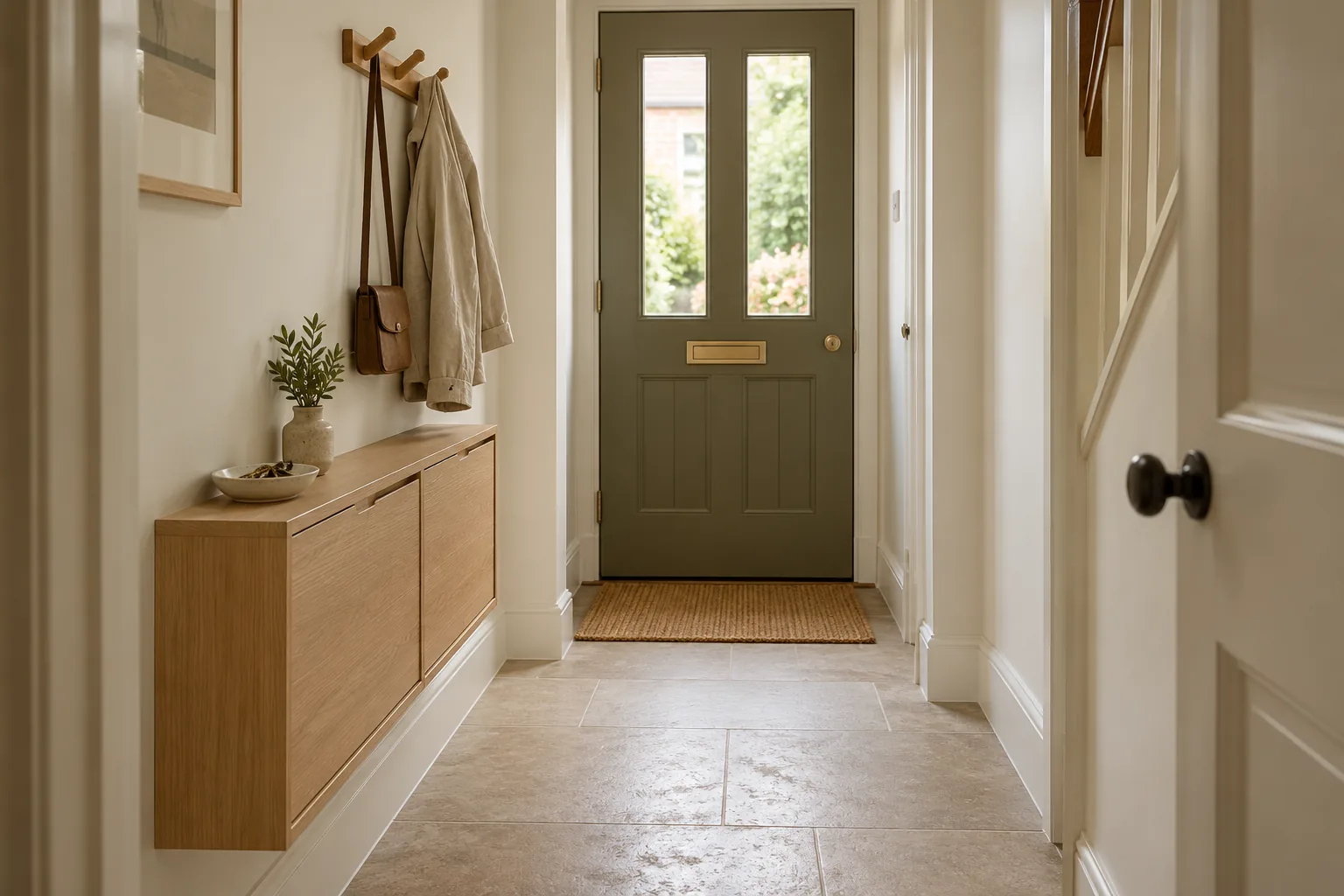
In an illustrative hallway 110cm wide, an 18cm-deep cabinet leaves 92cm before any handles or other projections are counted. A 30cm-deep unit leaves 80cm. That 12cm difference may matter more than the cabinet’s advertised shoe capacity.
Now check it open. Tilt-out shoe compartments, hinged doors and drawers all need operating space. Stand where you would use the unit and see whether somebody can still pass comfortably. If not, decide whether a different position, shallower storage or keeping more shoes elsewhere is the better answer.
As a real depth reference, IKEA’s TRONES cabinet is listed at 18cm deep. That does not make it suitable for every hallway or every shoe size. Check internal capacity, installation requirements and the open compartment before buying.
Store the daily rotation, not the entire collection
Count the shoes, coats and bags used on a normal weekday. Make room for those first, then find another home for occasional footwear, bulky winter items and bags that are rarely used.
A small entrance can work better with four convenient places than twelve overcrowded ones. Give each person an obvious daily location. A label inside a cabinet or a particular hook may be more useful than a complicated organising system nobody maintains.
Keep wet or muddy footwear separate from clean storage while it dries. A removable tray can make cleaning easier, but place it where it will not become a trip point. Check that any enclosed storage allows the care and ventilation appropriate for its contents.
Check the depth of a hanging coat
A wall hook is shallow when empty. A winter coat and bag hanging from it are not. Test with the bulkiest items before placing a row of hooks opposite a shoe cabinet.
Where the passage is especially tight, try hooks on the end wall, within a suitable recess or inside an existing cupboard. Keep sharp projections away from faces and shoulders at the narrowest point. Children need reachable storage, but reach should not depend on climbing unstable furniture.
A short rail can work if coats can sit comfortably without brushing everyone who passes. Do not use the rail’s empty dimensions as the finished storage depth; measure it loaded.
Create one small landing place
Keys, post and glasses need somewhere to stop. Choose one shelf, tray or drawer that is easy to reach as you arrive. If the top of a shoe cabinet already provides that surface, you may not need a separate console.
Give paper a limit: one tray or a shallow drawer rather than a growing stack on the stairs. Put charging equipment only where cables can remain clear of the route and follow the equipment’s instructions. A hallway should not depend on stepping over a lead every evening.
Before adding a mirror above the landing place, check what it reflects. A view of the opposite coat pile may double the visual clutter. An angle that catches light or a calmer wall can feel more considered.
Use height without making storage unreachable
A high shelf can hold occasional items, but everyday essentials should not require a stool in a narrow passage. Think about who will retrieve the contents and where they can stand while doing it.
Check the structure and suitable fixings before installing wall storage. Follow the product’s anchoring instructions: both BISSA shoe-cabinet instructions and many other furniture products require wall fastening. Being freestanding in appearance does not mean anchoring is optional.
Make the entrance feel part of the home
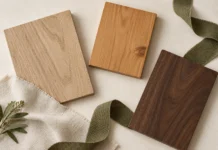
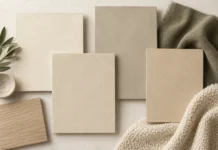
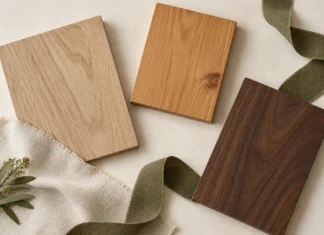
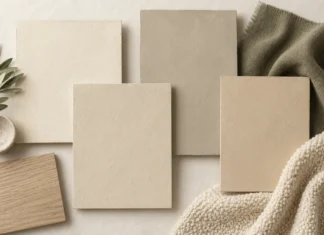
A restrained palette can make several functional pieces feel connected. Try a cabinet close to the wall colour, timber hooks that relate to the floor, and one darker detail such as a mirror frame. Leave some clear wall rather than filling every gap.
If you use a runner, check the door clearance, floor compatibility and whether the edges stay secure. A beautiful entrance still needs to work on a wet morning with everyone’s hands full.
For individual storage formats, see our shoe-storage ideas. If there is an adjacent stair recess, under-stairs storage may let you move bulky items out of the hallway altogether.
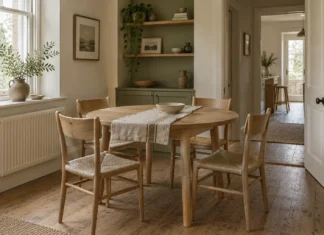
When a new cabinet meets an existing floor or staircase, compare the finishes using our guide to mixing wood tones. Repeating one timber or textile elsewhere can connect the entrance with a warm Scandinavian living room scheme.